Showing posts with label pH. Show all posts

Friday, 8 May 2026

Digital anti-coating pH/ORP sensor.

Maximises sensor life while simplifying Modbus* integration and speeding device changeout.

The new Rosemount™ 396A Anti-Coating pH Sensor for measuring pH and oxidation-reduction potential (ORP) in dirty, abrasive, and high-solids applications has been launched. The device includes a robust anti-coating reference design and Modbus* digital output, minimising sensor maintenance and ensuring a steady pH/ORP signal even when the sensor is coated.

“In high-solids applications, teams need pH and ORP measurements they can trust without constant sensor maintenance,” said Rachel Jang, global product manager, liquid analysis, Emerson. “The Rosemount 396A combines an anti-coating design with digital connectivity to simplify installation and speed up sensor changeout in challenging service situations.”

The digital Rosemount 396A is a drop-in replacement for legacy Rosemount 396P and 396PVP anti-coating sensors, enabling customers to transition to digital technology without changing existing installations or accessories.

It is particularly ideal for difficult processes in chemical manufacturing, oil and gas refining, water and wastewater, and pulp and paper operations where coating and fouling can affect the reliability of pH and ORP measurements.

With digital Modbus* protocol output, the Rosemount 396A supports simplified installation and setup with compatible Rosemount liquid analysis transmitters. Calibration data is stored in the sensor for bench calibration and replacement without field recalibration—helping to reduce commissioning time and service effort.

The Rosemount 396A is rated IP67 and IP68 for protection against water and dust ingress, including submersion, for wet and washdown environments. It includes a through-wall reference junction with increased surface area at the junction for fouling applications.


* Modbus is a registered trademark of Schneider Electric USA, Inc.

@EmersonExchange @Rosemount_News @Emerson_News @EMR_Automation  @HHC_Lewis #PAuto


Monday, 20 October 2025

Precise pH measurements in the Lab.

High precision pH, conductivity, ion concentration and DO2 measurements.

NineFocus™ is a new high-performance, multiparameter benchtop meter system from Mettler Toledo. Designed for laboratories and near-production, it measures pH, conductivity, ion concentration, and dissolved oxygen with compelling precision. It is at its best with the smart InLab® DES® digital sensors with diagnostic capabilities.

Designed to meet common laboratory demands, the new multiparameter measurement system focuses on boosting productivity, reducing operational costs, and delivering consistent, accurate results. It offers a modular design, emphasizes intuitive operation, and supports regulatory compliance. Together with the guided troubleshooting of the InLab DES digital sensors, this power duo raises the bar for exceptional measurement performance.

  • Designed to evolve: The built-in digital module measures up to four parameters, which means that for a different application, no new meter is required, only a sensor. That makes it easy to turn a pH meter into a conductivity meter, for example. The meter's productivity can be expanded with additional modules to measure up to four parameters either simultaneously or in a custom sequence. By adding an analog module, NineFocus becomes fully compatible with analog sensors (e.g. InLab ISM).
  • Fast Problem Solving: The diagnostic capability of the InLab DES digital sensors monitors the sensor condition, provides step-by-step troubleshooting guidance on the meter, facilitates preventive maintenance, and helps prevent premature sensor replacement.
  • Data Integrity: The fully flexible user management of NineFocus enables to tailor user groups to suit any need or situation and protects settings from unwanted changes with access control based on job roles and user-specific passwords, thus supporting compliance with regulations and industry standards.
  • Simple Operation: The OneClick™ user interface allows operators to launch custom shortcuts for even the most complex workflows instantly with a single click on the home screen to save time, minimize errors, and enhance overall workflow efficiency. Supporting 14 languages, it ensures fast local adoption and helps prevent misunderstandings or mistakes.
  • Flexible Footprint on the Bench: NineFocus is not tied to a fixed location but offers versatile placement options, allowing the terminal to be positioned wherever it is most convenient and comfortable —in front of the meter, on top of it, freely on the bench, or mounted on the EasyPlace™ electrode arm. With various cable lengths, the system can be operated safely even under a fume hood.
  • Resilient: The meter's IP52 rating guarantees protection of its internal components against harmful dust ingress and water drips. The connector compartment keeps the connectors safe and prevents corrosion from exposure to liquids. With a protective cover, the control terminal is protected from dust, dirt, or fluids such as aggressive chemicals.
  • Flexible Automation*: The new NineFocus measurement system offers flexible integration with the InMotion™ autosampler to increase efficiency in the lab. Its capability for automated calibration, verification, and measurement of over 300 samples significantly boosts productivity while minimizing errors. It is supported with instrument software version 2.0.0
  • Full Compliance Support: NineFocus offers automatic data transfer to a PC or LabX software, ensuring accurate transcription and seamless compliance with industry regulatory standards such as CFR 21 Part 11, and ALCOA++, which is vital for any pH meter with data logging capabilities.
  • Sustainable Investment: The InLab DES sensors enhance sustainability and reduce material waste due to their detachable Signal Bridge, which hosts the measurement electronics. This means that only the sensor shaft needs replacement at the end of its lifecycle, while the Signal Bridge – which is compatible with different sensor models within the same parameter - can be reused. And while the sensor cable is detachable for different workplace setups, really only one cable is needed for all sensors.


@mettlertoledo @MasonTechnology #Laboratory #Analysis

Sunday, 12 November 2023

Instrumentation confidence underpins power station performance.

The attached case study explains how VPI has chosen Swan instrumentation that delivers the accuracy and reliability levels that they need at their power stations.

Steam and water quality analysis performs a critical role in the protection of power plants from corrosion and deposition in the water steam cycle. This is because very small changes in water and steam quality have the potential to impact the performance of the entire power station and cause hugely expensive outages. The cost of monitoring equipment is therefore negligible in comparison with the potential costs of failure to manage water and steam quality effectively, so power plant chemists are constantly seeking accuracy and reliability in their instrumentation.
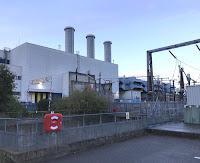
VPI Rye House Power Station
“Our main driver is to always ensure good feedwater quality, free from corrosive species,” explains power station chemist Adrian Bailey from VPI. “To achieve that goal, we need instruments that can deliver the highest performance levels continuously 24/7, 365 days of the year. For that reason, having tried most of the monitors on the market, we have gradually migrated almost all the water quality monitors at our five UK locations to Swan Analytical instruments.”
(These locations include Damhead Creek in Kent, Shoreham in West Sussex, Blackburn in Lancashire, Rye House in Hertfordshire, and Immingham in Lincolnshire.)

In addition to risk reduction, water quality monitoring also enhances process efficiency, protects plant longevity and availability, and helps ensure compliance with environmental permits.

Background.
Various forms of corrosion can affect the metallic surfaces within the internal components of power plants. Corrosion is an electrochemical process, and any build-up of dissolved contaminants such as chlorides, sulphates or other detrimental species could strongly enhance the risk of corrosion such as pitting, flow accelerated corrosion and stress corrosion cracking. This risk is amplified where high temperatures accelerate the corrosion process. Low pH-values in combination with turbulent flow conditions can cause flow-accelerated corrosion (FAC), which is known to be very fast, destructive, and continues to be one of the main root causes of boiler tube failures. Power plant water steam cycle chemistry is therefore focused on minimizing corrosion rates as much as possible, as well as avoiding specific forms of corrosion such as FAC. Mitigating plant corrosion is primarily achieved by continuously monitoring specific conductivity, as well as conductivity after cation exchange (CACE), degassed CACE, pH, dissolved oxygen and where required silica and sodium analysis.

Water quality monitoring at VPI power stations.
VPI is one of the leading Combined Cycle Gas Turbine (CCGT) operators in Britain, with assets capable of generating 3.3GW of power; sufficient for around 3 million homes. The company is committed to being part of the island's pathway to Net Zero, and in the short-term this means investing in its existing plant to protect the reliability of the national power supply during turbulent times in the energy sector.

Adrian Bailey says: “The efficient operation of our existing portfolio represents a significant challenge because most power stations were designed to operate continuously, rather than the stop-start regime that is required by today’s rapidly fluctuating supply and demand energy market; a situation which can increase potential corrosion risks.”

In order to minimise corrosion, all of VPI’s plants dose condensate/feedwater with ammonia or amine blends to establish a specific alkaline pH. However, these alkalising agents could potentially mask the presence of low-level contaminants, so in addition to continuous measurements of pH and specific conductivity, VPI’s plants also monitor underlying conductivity with Swan’s AMI CACE, ‘Conductivity after Cation Exchange’ (CACE) instrument, which removes the ammonia from samples and changes contaminants into their acid form to amplify their conductivity, and thereby enable early detection.

Dissolved gases, such as carbon dioxide, can also mask the presence of low-level contaminants by contributing to the CACE value. The VPI plants therefore also use Swan instruments to monitor degassed CACE continuously. Differential analysis of CACE and degassed CACE indicate whether an elevated cation conductivity value is due to the presence of carbon dioxide or more corrosive ions such as chloride and sulphate.

In addition to conductivity and pH, VPI also employs Swan analysers to monitor trace amounts of dissolved oxygen, silica, and sodium, as well as turbidity which is used for trend monitoring for particulate corrosion products.

Why this supplier?
Swan conductivity and pH analysers were first installed at Rye House power station around 2007, and the first Swan silica analyser was installed at Damhead around 2009. “At that time, there was no common policy for instrumentation, and each power station was running different analysers,” comments Adrian Bailey. “This meant that service and maintenance procedures varied considerably, and the availability of spares and consumables was more complicated. However, the early Swan analysers performed extremely well, so we have gradually migrated almost all of our instruments, at all of the sites, to Swan.”

Explaining the decision to adopt Swan as their preferred instrumentation supplier, Adrian says: “The most important feature of an instrument is the confidence that it inspires in its operators, and this is where Swan led the field. We routinely take grab samples for laboratory analysis to check the accuracy and reliability of the monitors, and this data clearly demonstrated the superiority of the Swan instruments and gave us the confidence to roll them out more widely.

“The amount of time spent on instrument maintenance is also a key issue, and one in which Swan excels. With high levels of reliability and low maintenance requirements, we have found their instruments to be simple to operate; the menus are easy to follow, without the necessity to memorise the manual, which means that the requirement for operator training is minimal.

“Occasionally, we need to utilise Swan’s technical support, and again we have found this to be exemplary; their staff are highly experienced and knowledgeable, so they are able to respond quickly to our requests.”

Summarising, Swan Power Product Specialist, Chris Mead says: “Obviously, we are very pleased that the performance of the Swan instrumentation has provided VPI with the confidence to use them almost exclusively across their facilities. This has helped them to future-proof their plants as they help the UK on its path to Net-Zero.

“The recent installations at Shoreham, Damhead and Immingham are great examples of the benefits that can be gained from installing a complete instrumentation package from Swan. Our monitors are factory-calibrated and pre-mounted on sample panels, making them easier to install and integrate, and with a single source of low-maintenance instruments the cost of ownership is significantly lower.

“However, the costs associated with the purchase and operation of Swan instruments is negligible in comparison with the potential cost implications of plant failure or asset downtime, so we believe that whilst we supply instruments, what we deliver is peace of mind.”


@_Enviro_News @swan_usa #PAuto #Power #Britain

Monday, 30 January 2023

Lab sensors for pH, conductivity, and dissolved oxygen measurements.

Endress+Hauser has launched five new laboratory sensors compatible with its Liquiline CML18 handheld laboratory analysis device. The Memosens CPL53E, CPL57E, CPL59E, COL37E, and CLL47E liquid analytical sensors now join the CPL51E to further amplify the company’s goals of trustworthy measurement, easy operation for end-users, and enhanced good laboratory practice (GLP).

The new sensors support data and quality management in the verification processes of online measurements, provide immediate and tamper-proof calibration history traceability, with easy data transfer using Bluetooth technology.

Using the bayonet connector, the handheld CML18 and Memosens sensors are plug-and-play, working out of the box with support for easily switching output parameters—such as pH, dissolved oxygen, and conductivity—at the measuring point. Users can begin making measurements without initial calibration because these accurate Memosens instruments are pre-calibrated at the factory.

Memosens 2.0 sensors are suited for laboratory measurement and random process grab sampling, ensuring that online measured values are always reliable. By using the same sensor type in the lab as in the process, you are assured of data and quality management in the verification process of online measurements.

CPL53E – digital pH sensor built for all-around use.
The CPL53E glass PH sensor is built for all-around use in the lab, covering everything from lab sampling to random process grab sampling. Additionally, the CPL53E has a measurement range of pH 0 to 14, a process temperature range of –5 to 100 °C (23 to 212 °F) and an application range of 0 to 80 °C (32 to 176 °F).

CPL57E – highly accurate digital pH sensor for low conductivity water.
The CPL57E pH sensor is designed for low-conductivity water applications in all industry types. This glass sensor provides long-term stability because of additional salt storage, providing high measurement accuracy in pure water from pH 0 to 14, a process temperature range of –5 to 100 °C (23 to 212 °F) and an application range of 0 to 80 °C (32 to 176 °F). Like the CPL53E, the CPL57E is a virtually maintenance-free sensor.

CPL59E – pH sensor built for harsh conditions.
The CPL59E pH sensor is built to withstand harsh conditions in chemically aggressive fluids, specifically within the measurement range of pH 0 to 14, with a process temperature range of 0 to 135 °C (32 to 275 °F) and application range of 0 to 100 °C (32 to 212 °F). With an ion trap, the instrument provides high stability to oxidizing agents, protecting the sensor from drift that can result in inaccurate measurements.

COL37E – an agile optical oxygen sensor.
The digital COL37E dissolved oxygen sensor enhances oxygen measurement with a fast response time. With a measurement range of 0 to 200 %SAT and process temperature range of –5 to +60 ˚C (23 to 140 ˚F), the sensor is primed for use in checking oxygen values in aeration tanks, fish farms, and surface water.

CLL47E – 4-electrode digital conductivity sensor.
The CLL47E is a four-electrode conductivity sensor for random sampling and measurements in the lab with a measurement range of 5 μS/cm to 200 mS/cm and a process temperature range of 0 to 100 °C (32 to 212 °F). The instrument’s four platinum electrodes allow for coverage over a large variety of samples. This sensor provides high precision at measuring point in drinking water, cooling water, wastewater, and process media (such as cleaning solutions). The CLL47E is also suited for verifying online measuring loops, analyzing grab samples, and spot-checks at critical process points.

@Endress_US @Endress_Hauser @Endress_UK #PAuto #Laboratory

Tuesday, 28 September 2021

Trouble-shooting fluctuating measurements.

Some measurement systems, like those monitoring pH, are very sensitive and prone to interference. Small current or voltage surges can cause large fluctuations in readings.

The connections at the back of
Microlink 751 data acquisition unit
Here are some simple tests to follow to determine the cause of the errors. The Microlink 751 multi-function USB unit is taken as an example but many of the tips also apply other systems. Work through the tests one-by-one, eliminating sources of error as you go.

1. Check that the Microlink is working properly. First remove other factors in the system that might be causing the problem, then check the Microlink itself.

    (a) Remove any power signal conditioner. This provides surge protection and noise filtering. It should remove interference from other equipment but a faulty one could cause its own problems.
    (b) Move the Microlink to another location. If you are using it in a laboratory for example, take it home.
    (c) Connect the Microlink to a different laptop running on battery power, not on mains power.
    (d) Now you can test whether the Microlink is the source of the noisy, fluctuating, data. Connect together the first positive input pin, the first negative input pin and the 0 V input pin. With the Microlink 751 these inputs are on pins 20, 1 and 19. You could use paperclips to connect the three pins. Leave all other inputs unconnected.
The Microlink is now shorted out: if it is working correctly it will produce a reading of zero. If not the fault lies with the unit and Technical Support should be contacted and the unit returned. If the reading is zero then the problem is very unlikely to be caused by the Microlink and you can go on to step 2.

2. Once the DAQ unit has been eliminated as the source of the fault, the power supply to the computer should be tested. Plug the laptop into the mains - the reading should still be zero.

3. Reconnect any power signal conditioner. Again, check that the reading is zero.

4. The sensors should be tested one-by-one. For example, place a pH probe in a known solution and see if the reading is as expected. Keeping the signal wires short and far away from electrical machinery helps reduce noise. The electrodes may also require cleaning. electrodes.

5. Move everything back to the original location. If the readings become erratic go through the tests again.

6. Disconnect from the laptop and connect to the original computer. Again, if you now get noisy readings repeat the tests. 7. Finally make the measurements in a real situation.

Discovering at which stage the problem occurs will allows the identification of the source and the taking of remedial action.

@DataAcquisition #PAuto #Calibration

Wednesday, 23 June 2021

Fully automatic cleaning control.

The range of functions of Exner Process Equipment's EXmatic 470 cleaning control for the automation of pH measuring points has been expanded.

One special feature of the system offered by this equipment is its openness, that means the cleaning control is not tied to a specific manufacturer of pH sensors or transmitters. Operation of the EXmatic 470 is also very easy for the user thanks to a clear menu structure and the use of a touch-sensitive color display. As an alternative to this, a wireless network connection together with a mobile device can also be used for the parameterisation.

In addition to the freely programmable cleaning cycles with up to three different media, a definable pause time and operating modes as well as a switchable sealing water function, the EXmatic 470 is now available with a so-called measuring time delay. This makes it possible to delay the signal output by the control until the measured value of the sensor in the process medium has stabilized. A "Measure" signal is only output after the set time has elapsed.

The EXmatic 470 is used in a wide variety of areas. For example in water and wastewater treatment, in the paper and sugar industry and in thermal power stations.

#e-p-e @Pressebox #Pauto

Analysis sensors future-proofed and IIoT ready!

Process plants typically use a multitude of sensors, each of which is normally connected to a transmitter. Older sensor technologies use analog signals to communicate with transmitters, but more modern models employ digital technology to improve accuracy, ease calibration, simplify troubleshooting, and reduce required maintenance.

Endress+Hauser Memosens technology converts the measured value to a digital signal and transfers it inductively to the transmitter, offering safe data transfer for increased availability of the measuring point and trouble-free operation. With Memosens 2.0, liquid analysis measuring points now become completely future-proofed and ready for IIoT. This new technology is available for pH/ORP, conductivity, and dissolved oxygen sensors—and it will be extended to the complete sensor portfolio for liquid analysis.

Unlocking the potential of measurement data
Memosens 2.0 sensors store numerous relevant data points, such as operating hours, minimum and maximum temperatures, measured values, calibration histories, and load matrices. All this data can be used and processed for comprehensive analysis and more precise process management. The sensors also provide a sound basis for predictive maintenance strategies when used in conjunction with Endress+Hauser’s Heartbeat Technology, along with enhanced IIoT services via the Netilion ecosystem.

Simplifying liquid analysis
The unit combines cutting-edge technology with maximum practicability. Because the Memosens sensors are equipped with highly integrated electronics, they can be calibrated and adjusted under lab conditions that are favorable for the operator, and stable for precise results. Replacing sensors in the field is a simple process and can be performed in a timely manner thanks to the lockable bayonet connector and automatic sensor identification by the transmitter.

Increasing process safety
Non-contact digital data transmission eliminates the effects of moisture, corrosion, and salt bridges—with alert messaging if the signal transmission is disturbed by other factors. Galvanic isolation ensures accurate measurement in the presence of electromagnetic interference and other electrical noise. Memobase Plus software provides full traceability of all sensors used, supporting operation according to the strict guidelines applicable to various regulated industries. Memosens 2.0 offers error-free flexibility for measuring points in hazardous areas because all explosion proof sensors can be connected to all Endress+Hauser transmitters with the same ratings.

Field replacement is simple and quick because Memosens 2.0 sensors are pre-calibrated in the lab, reducing process downtime. Unlike conventional analog sensors, these digital models store calibration data internally, and regular regeneration extends sensor lifetime.

@Endress_Hauser @Endress_US @Endress_UK @Endress_CA #PAuto #IIoT

Wednesday, 9 June 2021

Clean pH probes.

Through the combined use of an automatic cleaning control unit and a retractable probe housing, the necessary maintenance steps on pH sensors can be minimised.

The option of controlling all pneumatically operated retractable probe housings of Exner's EXtract series fully automatically is given with the EXmatic 470 cleaning control unit.

Compared to conventional, permanently installed measuring points, retractable housings offer the system operator many advantages. Used correctly, for example in pH measurement technology, maintenance work at the measuring point is significantly reduced, the service life of the sensors used is extended and the reliability and availability of the measured value are increased. An efficient cleaning control is of essential importance for the safe and economical automation of the retractable probe housings.

Operation of the EXmatic 470 is very easy for the user thanks to a clear menu structure and the use of a touch-sensitive color display. Optionally, a wireless network connection together with a mobile device can also be used for parameterisation.

Another special feature is the openness of the system, that means the cleaning control unit is not tied to a specific manufacturer of sensors or transmitters. The EXmatic 470 is used in a wide variety of areas. For example in the paper and sugar industry, water and wastewater treatment and in power stations.

#e-p-e @Pressebox #Pauto

Wednesday, 9 December 2020

Mobile water analysis in steam boiler.

Checking relevant parameters in the water from steam boiler systems is easy and reliable with the help of the simple handling and fast response time of the µdox measuring device

The different load modes in steam boiler operation result in over- and under-dosing of chemicals. Preventing this from happening requires exact and quick control measurements on a daily basis. Correct dosing of chemicals prevents corrosion and deposits and supports safe long-term boiler operation. To prevent the risk of corrosion, the dissolved oxygen content must not be greater than 20 µg / l. This can be determined precisely with the oxygen electrode of the µdox handheld measuring device from OFS Online Fluid Sensoric, quickly and precisely.

In addition, the exact pH measurements in feed water and steam boilers in connection with the alkalization are absolutely necessary. The pH electrode from µdox offers a correct determination of the pH value not only in salty, but also in low-salt hot water. The pH sensor can also be used to determine m and p values ​​(acid capacity). All electrodes offer temperature-compensated measurements and simple, fast procedures for precise calibration.

The measurement results from up to eight different measuring points are saved according to date and time. After transferring the measurement results to a connected PC, it is possible to edit and visualize the data. In addition, there is no need for a time-consuming training period in handling the device due to the intuitive operation and the clear display. The robust construction of the measuring case makes its use in industry unproblematic and safe. The “mini-laboratory” is particularly suitable for daily use as a tool for boiler keepers and system operators. Efficient operation of the steam boiler can thus be ensured. In addition to analyzes on hot and steam boiler systems, µdox also enables use in district heating networks and for checking online measurements in power plants.

@PresseBox #OFS #Pauto 

Monday, 23 November 2020

Automating measuring points safely and economically.

Through the combined use of an automatic cleaning control and a retractable probe housing, e.g. in pH measurement technology, the regularly required maintenance of the sensors can be reduced and thus the manual workload per measuring point minimised.

Compared to traditional, permanently installed measuring points, retractable probe housings offer the plant operator various advantages. Used correctly, benefits, for example in pH measurement technology, include a significant reduction in maintenance work on the measuring point, an extended lifespan of the sensors used and increased reliability and availability of the measurement value. At the same time, an efficient cleaning control is of essential importance to the safe and economical automation of the retractable probe housing.

With the new product EXmatic 470, Exner is bringing a successor to the established predecessor model EXmatic 460 onto the market. The new control impresses not just with the use of state-of-the-art technology. The construction as well as the available functions were also developed in a user-orientated manner. Thus, many technical features already known from the EXmatic 460 have been retained. These include the openness of the system, i.e. the control is not tied to a specific manufacturer of sensors or transmitters.

Simultaneously, operation has been simplified for the user with a clear menu structure and the use of a touch-sensitive colour display. Additionally, the new product type has even more flexibility in use. For instance, the EXmatic 470 control now allows up to three different media valves to be connected, meaning the user can make use of a larger selection of possible cleaning solutions e.g. in the event of stubborn soiling.

@PresseBox #Exner #PAuto 

Friday, 13 November 2020

Multi-parameter handheld device.

Multi-parameter handheld device and lab pH electrode can be used for applications in laboratories and in the field.


The Liquiline Mobile CML18 handheld device and Memosens CPL51E lab pH sensor has been launched by Endress+Hauser . The multi-parameter handheld device enables easy and reliable monitoring of a variety of critical measured values. The CML18 and the CPL51E pH electrode can be paired together for applications in the lab or for grab sample analysis in the field.

Historically, different products are used for lab analysis versus process measurements. When analyzing a sample in the lab, the use of different measuring technologies can often result in deviations between the lab measurement and the measurement recorded in the process. With this device, the same Memosens sensors that are used in the process can also be used in the lab. This guarantees complete consistency of data between lab and process measurements. In pH measurement applications in the lab requiring a particularly fast response time, the Memosens CPL51E is the ideal choice. It uses the same Memosens technology as the process sensors, but it is optimized for a fast response time in sample analysis and laboratory applications that do not require a high degree of temperature- and pressure-resistance.

It can be operated easily using the intuitive SmartBlue app. All measured values and sensor data are transferred via a secure Bluetooth connection to the app on a smartphone or tablet. SmartBlue provides users with a convenient way to make settings and adjustments, and to view sensor information and measured values. The device has an integrated, wireless charging function, which enables inductive charging using a Qi-certified charger. The Memosens CPL51E lab pH sensor is pre-calibrated and ready for use, just like all Memosens pH sensors from Endress+Hauser.

It may be used with Endress+Hauser Memosens pH, ORP, conductivity and dissolved oxygen sensors. In addition to the primary measured variable other values are also displayed in parallel, such as the measured temperature. With digital Memosens technology, switching between different sensors is easy, and the connection to each made directly at the measuring point. The mobile device immediately detects which sensor is connected, automatically loads the saved sensor data, and displays the measured value. It is also be used to log measurement data. A data logger can store 10,000 measured values with a date and time stamp. An equally large grab sample data memory can also store 10,000 values.

The Liquiline Mobile CML18 device with Memosens technology guarantees maximum data security, delivering 100% reliable measured variables. Each sensor is equipped with a microprocessor, which is integrated in the sensor head and converts the sensor signals to a robust digital signal. A Memosens sensor connection and digital signal are unaffected by moisture and other environmental influences.

@Endress_US @Endress_Hauser @Endress_UK  #Pauto #Laboratory

Monday, 23 December 2019

Glass free pH sensors.

The Memosens CPS47D, CPS77D and CPS97D ISFET pH sensors, just launched by Endress+Hauser, are for applications where glass pH sensors present risk of breakage in challenging process conditions. ISFET sensors are made of unbreakable PEEK and are available with three different reference systems, providing a glass-free pH sensor to suit every requirement.

ISFET Memosens CPS47D and CPS77D sensors are equipped to meet the strict demands of hygienic applications. Because of their new design, with an increased chip surface, these sensors are easy to clean. They deliver stable and reproducible measured values, even after sterilization and autoclaving up to temperatures of 275 °F (135 °C); come with the usual hygienic approvals for the food and life sciences industries, such as USP, EHEDG and 3A; and are TSE/BSE-free. They can last at least 25 CIP cycles - a significant improvement in CIP stability compared to conventional ISFET sensors. In addition, the Memosens CPS77D offers maximum bacteria tightness because of its microporous ceramic diaphragm.

Chemical processes at low temperatures, and where there is a high proportion of organic solvents or solids, pose specific challenges for pH measurement. Even at low temperatures, the Memosens CPS97D has a fast response time and is chemically stable thanks to its PEEK stem. Also, its open diaphragm does not become clogged in the case of high solids concentrations. The firm gel used in the reference is also extremely resistant to chemicals.

Digital ISFET sensors with Memosens technology store calibration, sensor, and process data. A significant increase in process safety can be achieved through combining the Liquiline platform with efficient sensor management using Memosens Plus software. Using Memobase Plus software, the sensors can be cleaned and calibrated under optimum conditions in a lab. This not only increases the operating life of the sensors, but also makes commissioning and maintenance considerably easier, while reducing process downtime to a minimum. The stored data can also be used for predictive maintenance and process optimization.

Monday, 25 November 2019

Reducing maintenance time for pH probes!

By using retractable probe housings, for example in pH measurement technology, the required regular maintenance of the sensors can be reduced and thus the manual labour for each measuring point can be minimised.

EXNER Process Equipment's retractable probe housings offer plant operators many advantages compared to traditional, fixed measuring points. When used correctly, they can significantly reduce the maintenance work at the measuring point in pH measurement technology, for example, extend the lifespan of the sensors used and increase the reliability and availability of the measurement value.

Here, the retractable probe housing separates the pH sensor from the active process fully automatically and moves it into a separated rinse chamber where the sensor is cleaned. This can be done with a pure water rinse as well as with the addition of cleaning agents. External controls regulate and monitor the whole process. Once the cleaning process is complete, the retractable probe housing moves back into the measurement position and returns the sensor to the process to continue the measurement. The retractable probe housing thus forms a lock between the pH sensor and the process medium to be measured.

Using this process, the lifespan of the sensors used can be extended above all in demanding and rough processes. The reliability of the measurement values can be increased, regular maintenance work reduced, and you can also ensure a more economical operation.

#PAuto #E_P_E #Exner @PresseBox

Thursday, 4 April 2019

Sensors for single use bioreactors.

Emerson’s Rosemount™ 550pH sensor and Rosemount 550DW dissolved oxygen sensor adapter meet the needs of the rapidly growing biopharmaceutical single-use market

The anticipated rapid shift in the life sciences arena from traditional stainless steel bioreactors to new, disposable gamma-irradiated plastic bags used for single-batch processing, has been delayed by the problem of finding reliable, efficient sensors required for vital liquid analysis. Now, Emerson has applied its deep sensor expertise to the creation of new single-use sensor technology, that provides up to 10 times greater sensor stability, reducing risk in process quality and yield for biopharmaceutical manufacturers. The new sensor technology also speeds time-to-market through shortened start-up time, greater ease-of-use and low maintenance.

The new Rosemount™ 550pH single-use sensor and the Rosemount 550DW dissolved oxygen single-use sensor adapter are designed to deliver the same proven stability and performance as Emerson’s stainless steel sensors. The Rosemount 550pH sensor offers the unique capability of being stored wet for immediate verification and standardisation, eliminating the initial stabilisation process, which can generally slow start-up by 30 minutes to two hours.

The life sciences industry is in a transformational period, adjusting to new trends and influences. As the number of blockbuster drugs decreases, many facilities are transitioning from dedicated to multi-product manufacturing facilities, requiring shorter production runs, with faster changeovers. At the same time, many unit operations are switching from stainless steel batch to single-use continuous production, which requires smaller equipment and more flexibility for product changeovers. Responding to these trends puts pressure on plant design, equipment set-up, and utilisation to enable more flexible and faster production. The new Emerson single-use sensor technology responds to this market demand.

“Both end users and bioreactor equipment manufacturers are anxious to take advantage of the cost and quality benefits of single-use biopharmaceutical processing, including a smaller manufacturing footprint, fewer cleaning chemicals, less energy usage and more flexibility in a facility for producing multiple products. However, to achieve those benefits they can’t accept any compromises in the liquid analytical instrumentation that is inserted into the bioreactors,” said Michael Francis, global product manager, Emerson Automation Solutions. “Emerson engineers have designed our new single-use sensors to perform as well as or better than those used in stainless steel bioreactors. Wherever possible, we’ve maintained our industry-standard designs, so that users and OEMs need no additional training to be up and running. At the same time, we’ve added features, like the wet storage, that overcome challenges that have been plaguing single-use processing since its advent. Our customers spoke, and we listened.”

The new Rosemount 550pH sensor is an electrochemical, fully disposable device with sensor stability of less than 0.005 pH change per day, verified by extensive testing. In a field marked by unstable sensors, the Rosemount 550pH sensor provides up to 10 times enhanced stability and requires no maintenance or calibration after initial one-point standardisation.

Since the Rosemount 550pH sensor is stored wet, it overcomes the problem of inserting a dry sensor into the single-use bioreactor, only to discover it’s not working properly and having to discard the entire processing unit to start again. The new sensor is packaged with its own calibration fluid, giving it a two-year shelf life. Wet, one-point standardisation before start-up means that the sensor’s characteristics and functionality are verified before any solutions or buffers are added to the bioreactor bag. It also means that the verified sensor begins measuring immediately after being introduced into the bag with no extensive wait time, thus reducing overall processing time and time to market.

The new Rosemount 550DW dissolved oxygen (DO) sensor adapter is compatible with standard stainless-steel DO sensors and enables placement into the bioreactor single-use bag. Only the gamma-irradiated adapter touches the process solution, meaning the sensor can be reused for multiple batches. The sensor can be air-calibrated prior to start-up to verify functionality, with no fill product needed in the bioreactor.

Both instruments operate with the advanced Rosemount liquid analytical 56 transmitter, known for its intuitive ease-of-use. In addition, the new sensor technologies and the Rosemount 56 transmitter are fully compatible with the Emerson DeltaV™ control system, which is widely used in the life sciences industry.

Francis added: “Emerson has delivered the level of sensor performance demanded by biopharmaceutical processing users in a single-use design that is efficient, highly stable, easy to use and cost-effective.”


 @EMR_Automation  #PAuto  @HHC_Lewis 

Friday, 14 December 2018

Analytical transmitter.

The Liquiline compact CM82 transmitter has been announced by Endress + Hauser.

This transmitter accepts pH, ORP, pH/ORP, conductivity, oxygen and chlorine sensor signals from their Memosens® sensor platform. Its housing measures only 11 cm long and 2 cm wide, so even combined with the sensor, it fits into almost every assembly. Although small, it is a fully developed multiparameter transmitter, with access available via 4-20mA HART, or Bluetooth from any iOS or Android device.

Connectable to the CM82 are pH, ORP, pH/ORP, conductivity, oxygen and chlorine sensors with the blue Memosens inductively-coupled plug-in head. The Memosens technology ensures 100% reliable data transmission, with true plug-and-play and pre-calibrated sensors.

When a CM82 measuring point is configured, all settings are saved in the compact CM82 transmitter. In the case of a sensor exchange, the transmitter - and thus the measuring point configuration – can remain in place, with reconfiguration not necessary. In addition, the CM82 reads all sensor and calibration data stored in the head of a Memosens sensor. As a result, the sensor is automatically detected within seconds, and the measurement is immediately ready for use after a sensor change.

As a loop-powered two-wire device, the CM82 can be connected directly to a control component, such as a programmable logic controller (PLC), which also serves as the power supply, thus eliminating the need for a power cable. A cable for the sensor connection is also not necessary because the sensor plugs directly into the transmitter. The measuring point’s required space and wiring effort are thus minimal.

As with all other Endress+Hauser Bluetooth devices, the Liquiline compact CM82 can be operated and configured via the free SmartBlue app, which is available on Google’s Play Store or Apple’s App Store. Using the app, users can see all the measuring points on their tablet or smartphone. Special attention was paid to security: The Bluetooth connection is protected with the same technology that guards identity cards against unauthorized access by third parties. This high security level was confirmed by the German Fraunhofer Institute for Applied and Integrated Security (AISEC).

@Endress_Hauser  #PAuto @Endress_US 

Wednesday, 31 January 2018

Diagnostics, verification and monitoring.

Endress+Hauser offers Heartbeat Technology with its Liquiline CM44 and CM44R transmitters for use with Memosens pH and conductivity sensors. Heartbeat Diagnostics’ continuous analysis of transmitter/sensor system health status during operation enables recognition of related events when they occur. Heartbeat Diagnostics follows the NE-107 standardized NAMUR-compliant message structure for categorized event severity level with clear remedy instructions provided for operations or maintenance.

Heartbeat Monitoring minimizes the probability of a sudden breakdown or failure of the measurement point, and helps define when maintenance may be needed. For example, detecting increased glass impedance in the pH sensor may indicate glass breakage. In a conductivity sensor, if the coil current is out of range, this may indicate a short circuit or broken wire in the sensor. Monitoring function benefits are sensor health trending, tracking the quality of calibrations and integrating a maintenance timer to ensure optimal sensor performance is delivered.

Heartbeat Verification permits a measurement point to be assessed at any time in situ, without removing the sensor or shutting down the process. This qualitative function checks the entire measurement loop, verifying sensor and transmitter performance. Verification results are provided via an audit safe report automatically generated by the transmitter. The report is saved in PDF format and can be preserved on an SD card for transfer to a computer. These reports can be used when regulatory, quality or safety documentation is needed.

When the Liquiline transmitter is connected to a PLC, SCADA or distributed control system via fieldbus digital communications, Heartbeat Technology provides the host system with a wide range of sensor information that can be combined with process data to identify trends. This information, along with key performance indicators can be used for process optimization and predictive maintenance. Heartbeat Monitoring information is available over Profibus DP, EtherNet/IP, Modbus TCP or Modbus 485 protocols.

This technology is now available as an option in Liquiline CM442, CM444 and CM448 transmitters and all DIN-rail mount versions, and works with Memosens pH and conductivity sensors, and Liquistation CSF34 and CSF48 samplers. In the future, Heartbeat Technology will be available in Endress+Hauser’s dissolved oxygen, turbidity, nitrate, chlorine sensors and Liquiline System CA80 analyzers. The Heartbeat Technology option can also be added to existing Liquiline transmitters or samplers by the application of an activation code (Requires firmware version 1.06.04 or higher firmware in the Liquiline platform device.)

@Endress_Hauser  #PAuto @Endress_US 

Thursday, 30 March 2017

Steriliasable pH electrode.

The Memosens CPS171D pH electrodes from Endress + Hauser, that can be sterilised and are autoclavable for use in bioreactors, fermenters, and other hygienic and sterile applications in the biotechnology, pharmaceutical, food/bev and similar industries. The CPS171D measures 0-14 pH and works in temperatures from 32-284°F (0-140°C).

The CPS171D is IECEx and ATEX approved for use in hazardous locations; has IP68 protection and a TÜV certificate; and has FDA, USP and ISO approvals for biocompatibility regarding cytotoxicity and bioreactivity. It is suitable for CIP and SIP operations up to 284°F.

High yields and high quality product is achieved in fermentation applications with accurate and reliable pH measurement over a narrow range. The CPS171D pH probe has been developed with a unique reference gel and glass membrane. When combined these new features improve the long-term stability for reliable and accurate measurement, even after multiple clean-in place (CIP) and sterilize-in-place (SIP) cycles. The sensor performs well after autoclaving at 284 °F (140 °C). These sensor characteristics, pressurized reference and ion trap make the CPS171D uniquely designed for biotechnology applications.

The Memosens CPS171D provides maximum process safety and data security because of noncontact, inductive digital signal transmission to its cable for communication to the Liquiline transmitter. The inductive connection eliminates problems with measured values being distorted from moisture, and terminals becoming coated or corroded in service.

Memosens technology allows the sensor to store measuring and operating data in the sensor including serial number, calibration date, number of calibrations, offsets, pH application range, number of calibrations, hours of operation under extreme conditions and other information. Recording sensor data in the sensor itself enables predictive maintenance and makes it easy for asset management software, such as Memobase Plus, to facilitate life-cycle management.

Memosens technology also simplifies replacement in the field, because the sensor can simply be replaced with another calibrated sensor, which will automatically transfer its data to the transmitter. Once the sensor has been connected, its calibration is used for the measured value. Calibration data is stored in the sensor, so the sensor can be calibrated and adjusted independently of the measuring point.

 @Endress_Hauser #PAuto

Tuesday, 16 August 2016

Multiparameter monitoring with ease!

The Liquiline CM44P multichannel analyser transmitter, from Endress+Hauser,  accepts up to 16 parameters from analytical sensors and transmits them via 4-20mA HART, Profibus, Modbus or EtherNet/IP. It accepts inputs from up to two process photometers and four analytical sensors simultaneously. Sensor types include pH, ORP, conductivity, dissolved oxygen, nitrate, turbidity, free chlorine and ion selective sensors. Mathematical functions allow the unit to calculate measured values on the basis of multiple input values.

The CM44P also performs diagnostics on all connected sensors and analysers, and transmits error messages. Some diagnostic functions include: monitoring impedance of pH glass; measuring signals for stagnation; monitoring the condition of electrodes and the degree of electrode aging; checking for overcurrent conditions; and comparing measured values of conductivity and temperature against tables defined in USP and EP specifications for pharmaceutical water.

All resulting diagnostic messages are reported according to NE107 categories. An optional web server allows operators to remotely access the transmitter. Using any web browser, measurement values or diagnostic messages can be viewed or the device configuration can be changed.

Multiparameter Monitoring
Processes such as chromatography, fermentation, filtration and phase separation require monitoring of multiple parameters. In chromatography, for example, the combination of a UV process photometer and pH, temperature and conductivity sensor inputs ensures accurate detection of the target product. It also verifies buffer quality in the column is correct, leading to optimum product yield. In addition, the CM44P detects the transition from product to cleaning phase, allowing optimisation of cleaning and flushing cycles in the column.

In fermentation, the combination of a process photometer measurement with pH and dissolved oxygen sensor inputs helps users achieve optimal growth conditions for microorganisms. Combining dissolved oxygen and turbidity measurements provides an accurate overview of a filtration process. Turbidity measurement indicates product purity, while dissolved oxygen measurement indicates if oxygen has penetrated the process, which could have an adverse effect on product quality.

The CM44P interfaces to all Memosens sensors from Endress+Hauser and other vendors. Memosens is an international standard, with all sensor-related data stored directly in the sensor head. The CM44P can access this data for analysis, mathematical calculations and diagnostic purposes, and transmit it via various interfaces. It can also store it in a tamper-proof database or SD card, export it to a CSV file for Microsoft Excel, and perform a data logger function with up to 150,000 entries in up to eight logbooks. All settings, logbooks, etc. are stored in a non-volatile memory to ensure the data is retained in the event of a power failure. Memosens lab-calibrated sensors and hot plug-and-play allow for fast commissioning.

Mathematical functions can be used to calculate up to six “virtual” process values such as a pH calculation based on two conductivity values; the difference between two measured values; rH value based on inputs from a pH and ORP sensor; calculation of the remaining capacity of a cation exchanger; and others.

With the CM44P, plant personnel can obtain all of the quality and process information needed from a single transmitter, leading to reduced installation time, lower equipment costs, no need to acquire and manipulate data from multiple instruments, and simplified maintenance.

@Endress_Hauser #PAuto 

Thursday, 7 April 2016

pH Process Modeling and Control Simulation in Industry 4.0.

CyboSoft has released a Real-Time pH Process Modeling and Control Simulation Software package. It is the first in CyboSoft's virtual plant software family to help engineers learn how a pH process behaves, and how to effectively control this extremely nonlinear process to comply with EPA wastewater discharge codes and save chemical reagent.

CEO Dr. George Cheng said, "We are entering the era of the 4th Industrial Revolution, where everything is supposed to be 'smart'. Ironically, about 90% industrial wastewater pH processes are still controlled by on-off Bang-Bang control, resulting in chemical reagent wastes, equipment corrosion, and environmental pollution. It is our mission to provide software tools and control solutions to help the industry improve control systems and achieve better safety, higher quality, and lower costs."

The Real-Time pH Process Modeling and Control Simulation Software is built in National Instruments' LabVIEW platform and includes:
    (1) pH process diagram,
    (2) a strong-acid-strong-base pH model,
    (3) a weak-acid-strong-base pH model,
    (4) a strong-acid-weak-base pH model,
    (5) a weak-acid-weak-base pH model,
    (6) MFA control simulation for the 4 pH processes using an MFA pH controller,
    (7) PID control simulation for the 4 pH processes,
    (8) On-Off control simulation for the 4 pH processes,
    (9) graphical interface with control faceplates and real-time trends,
    (10) LabVIEW diagrams, and
    (11) pH process model description, MFA controllers used, and recommended control strategy.
"Most process models are presented as mathematical equations or formulas, which are important but have limited usage. A real-time process model can be used as a virtual process to simulate a real process with minimal setup time and cost. Using a virtual plant software tool to solve real problems is a powerful and cost-effective way to help build a Smart Industry," Dr. Cheng added.

CyboSoft's pH process models are delivered as VIs (virtual instruments) in LabVIEW. The user can design and test their pH control systems using the pH process models running in real-time. For instance, a pH process model can run in a PC with real-time interface to a popular pH controller on the market or to an existing pH controller in service. The control results can be compared with the MFA pH control results obtained in MFA control simulations. The user can then take the results, estimate the chemical reagent savings, and show the potential return-on-investment (ROI) when applying for budget to buy the proper pH controller or control software to improve pH control performance.

CyboSoft will release a number of real-time process modeling and control simulation software products in its virtual plant software family that can be purchased from CyboSoft's online store. The pH Process Modeling and Control Simulation Software can also be purchased from National Instruments' Tools Network store, where a 30-day trial version is available. Customers can contact CyboSoft for various MFA control products or for consulting and engineering services. The pH control device vendors can contact CyboSoft for embedding MFA pH control software in their devices.

 @CyboSoftGCG #PAuto @labview

Monday, 1 February 2016

Retractable sensor assemblies ensure continuity in process.

The Cleanfit CPA875 and CPA871 sensor assemblies from Endress+Hauser allow pH, ORP, oxygen and NIR sensors to be installed or removed during operation. By moving the sensor from the measuring position to a service position, these retractable assemblies allow the sensor to be cleaned, calibrated or replaced without interrupting the process.

The Cleanfit CPA875 is ideal in applications in the pharmaceutical and food and beverage industry where sensors must be removed for cleaning, calibration or maintenance on a regular basis, while the CPA871 sensor is ideal for applications in the water and wastewater and chemical industries.The retractable assemblies permit removal and installation, while protecting both the process and operating personnel.

In hygienic or sterile processes, the CPA875 assemblies are protected against contamination in accordance with international standards including EHEDG, ASME BPE, FDA, ATEX Directive 94/9/EC, CE/PED, EC VO 1935/2004 and Biological Reactivity (USP Class VI). In pneumatic operating mode, the CPA871 meets ATEX and CE/PED standards.

The CPA875 assemblies, along with their service chambers and process adapters, are certified by EHEDG for cleanability and sterilizability. This certifies that residual media is not only destroyed, but is also removed completely from the service chamber and the sealing surface. The service chamber and sealing surface thus remain free from product residue and microorganisms.

The design of the service chamber allows liquid media to drain freely and completely. The alignment of the inlet and outlet, as well as the flow configuration, ensures that solid built-up deposits are loosened and removed when cleaning. It is also possible to clean and sterilize the seals' contact surfaces. This ensures the sensor is free from contamination when it is reinserted into the process.
The CPA875 assemblies are available with single or dual service chambers. The front chamber in the double-chamber system can also be used as a protective barrier to the process. This chamber can be continually rinsed with water for injection, which ensures the cleaning solution cannot enter the process, even if the process seal is damaged. At the same time, this front chamber can be used to isolate the service chamber temperature from the process. The sensor can therefore be checked, replaced, calibrated, adjusted and cleaned with hot water or sterilized, all without influencing the process.

The Cleanfit CPA875 assembly has seals, process connections and couplings that make it suitable for use in food, pharmaceutical, life sciences and specialty chemical applications, while the CPA871 has similar options for the water/wastewater and general chemical industries. Materials in contact with the process medium are all stainless steel, while seals can be EDPM/FMP or Viton/FFKM, depending on the application. The immersion tube, process connection and service chamber can be stainless steel, titanium, Alloy C22, PEEK or PVDF, again depending on the application.

Both sensor assemblies are available with a manual or an automatic drive. The manual drive has a self-retaining thread to hold the sensor in any intermediate position, and can be used for process pressures up to 116 psi. The pneumatic drive can be used for process pressures up to 232 psi. In assemblies with a pneumatic drive, the service and measuring positions of the sensor are detected and reported to connected monitoring and control systems.