Showing posts with label Oil. Show all posts

Saturday, 16 May 2026

On-site oil analysis.

AMETEK Spectro Scientific has announced the launch of TruVu 360™ Fluid IQ, an advanced analytics and intelligence solution designed to transform how maintenance teams understand oil health and anticipate equipment needs.

On-site oil analysis is essential for keeping critical assets running reliably. However, traditional approaches often rely on delayed lab results, fixed sampling intervals and test data viewed in isolation. These constraints can obscure emerging issues and make it difficult to predict when change is coming.

This addresses these challenges by making on-site oil analysis smarter and more forward-thinking.

As an optional, licensed capability available within the TruVu 360™ Enterprise Fluid Intelligence platform, TruVu 360™ Fluid IQ combines on-site test results with historical data and advanced analytics in a secure cloud environment. The system compares each sample against a broad base of historical and comparable data to identify patterns that reveal oil performance, degradation trends and remaining service life.

“Maintenance teams need clearer insight,” said Robert Wopperer, DVP of Sales and Business Development, at AMETEK Spectro Scientific. “TruVu 360™ Fluid IQ is a truly exciting breakthrough, leveraging advanced analytics and intelligence to estimate the remaining useful life of fluids. Helping teams moving from reactive decision-making to forward-looking strategies to optimize maintenance planning.”

Beta users highlighted how TruVu 360™ Fluid IQ brings forecasting, oil health history, and recommendations together in a highly visual format, making it easier to interpret current conditions, communicate insights during routine reviews, and support more truly predictive, condition based maintenance planning.

By identifying relationships and trends across chemistry, wear metals, physical properties and service history, TruVu 360™ Fluid IQ delivers a genuine 360-degree view of oil and equipment health. This holistic intelligence supports predictive servicing, earlier detection of degradation and smarter sampling decisions, helping organisations reduce unnecessary maintenance, avoid premature oil changes and minimise unplanned downtime.

The platform also connects oil analysis insights across sites, supporting a more transparent and collaborative workflow. Findings can be shared easily, ensuring the right information reaches the right people and enabling faster, more confident decision-making.

TruVu 360™ Fluid IQ is available now as an optional, licensed capability within TruVu 360™ Enterprise Fluid Intelligence platform for Cloud users. A localised version is coming soon for Pro users.


@SpectroSci #PAuto #Laboratory

Thursday, 26 February 2026

Flow computer.

Designed specifically to meet the needs of the liquid hydrocarbon and gas measurement markets.

Designed specifically to meet the needs of the worldwide liquid hydrocarbon and gas measurement markets The highly versatile SFC3000 flow computer from Ex-i Flow Measurement Ltd,. is capable of measuring the flow rate of liquid hydrocarbons, water and petrochemical gasses as well as making Co2 emission measurements for pollution monitoring and control. Connected to turbine meters the SCF3000 provides accurate measuring of gas flow in networks simplifying billing for suppliers and can be used to monitor network flow load to ensure reliability of supply and maintain energy supply security.

The SCF3000 is flexible measuring system which can be configured to meet a wide range of applications and may be operated in a stand-alone single stream flow measurement system or as part of a highly complex multi-stream system. Simple firmware updates ensure the SCF3000 meets the latest measuring standards.

It can operate in a number of ways, such as a standalone flow computer, a supervisory device or as a component of a complex system. Ex~I Flow offer a private labelling service for the SCF3000 for the convenience of Systems Integrators.

Featuring a touch screen VGA display and extensive processing capabilities combined with simple to use controls and unique operating software, The SFC3000 can function as a complete station supervisor integrated into a flow computer housing.

The SFC3000 flow computer is the hub of a flow measurement system and requires a number of peripheral components to take measurements. In its simplest form, a flow measurement system will consist of:

  • An SFC3000 flow computer with 1 I/O option board
  • A flow meter (turbine, ultrasonic, differential pressure or Coriolis)
  • A pressure sensor (HART or 4-20mA)
  • A temperature sensor (Hart, 4-20mA or PT100 Platinum Resistance Thermometer).

It should be noted that pressure and temperature sensors are not needed with a Coriolis flow meter, and additional pressure sensors are required for a differential pressure meter.

Turbine, ultrasonic and Coriolis flow meters can be connected using a pulse input, either as a single or dual pulse train. Alternatively, ultrasonic and Coriolis flow meters can be connected via the RS232/485 serial port available on each of the IO option boards. Additional functionality can be added to a basic system including optional I/O boards. With the addition of a communication board data can be obtained from a gas chromatograph or other sources via the serial or ethernet ports. Flow measurement data can also be passed to other systems, such printers or DCS, via the communication board ports. Logged data can be stored internally or in an optional SD card. A density measurement cell can be connected to a pulse or 4-20mA input.

SFC3000 flow computer key features:

  • Measurement conforming to AGA, ISO, API standards of dry and wet natural gas, hydrocarbon liquids, other gases e.g. nitrogen, other liquids e.g. water.
  • NMi Certificates to: WELMEC 7.2 and 8.8, OIML R117, MID 2014/32/EU
  • Standard Features: standalone flow computing function, flow computing combined with supervisory function, up to 2 G-byte additional memory for Alarm, Audit and Data Logging, optional SD card required.
  • Meter types: pulse generating flow meters, most common ultrasonic flow meters, dp transmitters with orifice or venturi measurements.
  • Configurable Display: system diagrams, Trending and graphical displays, Language options, Interfaces to most types of metering equipment and all popular GC’s, Easy Installation and interfacing
  • Supervisory Features, Alarm/Event/Data Logging and Recording, Printer Report Generation, System Diagram Display, Network Communication, Station Controller Functions, Valve Control and Remote Operation.
  • Maintenance Functions: stream summation, pid/sampler functions, flow computer specification.

The unit is packaged in an industry Standard Half Width 3U High 19” rack construction suitable for panel or chassis mount. It can accommodate up to 6 user plug-in cards and up to five measurement streams in the same chassis. Operating temperature ranges; PRT Inputs, -10?C to 55?C (15?F to 130?F), Hart? and 4-20mA Inputs -25?C to 55?C (-15?F to 130?F). Operating humidity to 90% non-condensing and meets environmental classes M2/E2. As leading flow computer manufacturers, Ex-i Flow Measurement specialises in researching, developing and manufacturing products for the gas and liquid measurement industry, with a focus on continuous project development and enhancement. EX-i offer customers market leading performance, quality, reliability, cost and response.


@ExiFlow @proactivefleet #PAuto

Tuesday, 14 May 2024

Antistatic hosing.

Enhances safety in oil and petroleum transfer operations.

Danfoss Power Solutions has launched its Boston by Danfoss EHP530 and EHP531 antistatic hoses. Designed for oil, fuel, and gas transfer applications, the hoses increase safety, reliability, and ease of use. Suitable for suction and discharge applications, EHP530 and EHP531 antistatic hoses enhance safety by protecting against static buildup and discharge. 

The inner tube is constructed of a specialized antistatic rubber compound, ensuring 100% antistatic performance. The hoses feature high-tensile textile reinforcement with copper wire for grounding and steel helix wire to prevent collapse during suction, enhancing performance and reliability. An NVC blend rubber cover offers ozone and oil resistance.

EHP530 hose has a pressure rating of 10.5 bar (150 psi) and is available in sizes ranging from -12 to -192. EHP531 hose features a pressure rating of 20.7 bar (300 psi) and is available in sizes ranging from -16 to -128. All hoses within each product line maintain these pressure ratings, offering consistent performance regardless of size. With a 3:1 safety factor, the hoses offer durability and reliability in demanding applications.

EHP530 and EHP531 hoses offer greater flexibility than other petroleum and oil transfer hoses on the market, making them easier to handle during assembly and operation. With dual ink and embossed laylines, the hose is easier to identify — even after a long service life — which improves traceability and simplifies hose replacement.

“Our new Boston by Danfoss EHP530 and EHP531 hoses are a standout product for safety-critical applications such as oil and gas transfer,” said Okan Cebeci, EMEA product manager, Rubber Hydraulic Hose and Fittings, Danfoss Power Solutions. “Offering fully antistatic construction, consistent pressure performance across a variety of sizes, and superior flexibility, the hoses can help increase safety, reliability, and ease of use.”

EHP530 and EHP531 hoses are compatible with various oil types and petroleum, including petroleum products with aromatic content up to 50%. Wide chemical compatibility enables the hoses to be reliably used across a range of applications in the oil and gas industry.


@DanfossPower @Danfoss @NapierPR #Construction #Automation

Tuesday, 19 March 2024

Acoustic particle monitor.

Monitor entrained sand in real-time, providing data essential to improving well throughput, safety, and uptime.

The Rosemount™ SAM42 Acoustic Particle Monitor for measuring the amount of entrained sand in the output from oil and gas wells has been announced by Emerson. The monitor can detect extremely low concentrations of entrained sand in challenging conditions with a high level of measurement repeatability and sensitivity. Accurate real-time data helps minimize erosion risk, allowing producers to maximize throughput without compromising asset safety. An all-in-one design features onboard data processing, explosion-proof protection, and simple installation with no pipe penetration needed.

The output from oil and gas wells often contains varying amounts of entrained sand that can pose a serious erosion risk and lead to equipment damage, loss of containment, environmental risk, costly repairs, curtailed production, and reduced profits. Effective sand management depends on knowing the amount of entrained sand flowing through the topside piping infrastructure in real time.

Many facilities rely on “grab-samples” to characterize and quantify the entrained sand, which only measures the entrained sand for that one moment in time. This method is ineffective as sand production can fluctuate significantly, posing safety risks to personnel and equipment through delayed decision making. Failure to act quickly exposes assets to excessive erosion, increasing maintenance expenses and the risk of unexpected shutdowns.

The Rosemount SAM42 Acoustic Particle Monitor addresses these issues by sending critical data instantly to staff onsite and to asset management systems via a Modbus® RTU RS485 digital wired connection, where it is used to adjust production flows as needed. A compact and non-intrusive design makes the device easy to install without pipe modifications, simplifying field deployment and reducing maintenance costs.

The Rosemount SAM42 is available in two versions that are designed to accommodate pipe surface temperatures between -40 degrees Fahrenheit (-40 Celsius) and 554 F (290 C), making it suitable for oil and gas applications and geothermal energy production. It can be mounted on pipes with diameters between 2-48 inches and is rated for use in hazardous areas with Ex d (Flameproof) approvals, including ATEX, IECEx, USA, and Canada; and Ex i (Intrinsic Safety) approvals, including ATEX, IECEx.


@EmersonExchange @Emerson_News @EMR_Automation @futuresagency @HHC_Lewis #PAuto #Oil #Gas

Thursday, 7 December 2023

Reliable network infrastructures for oil and gas industry.

Rugged networking devices combined with simplified management software are indispensable in strengthening the competitiveness of companies in the oil and gas industry  - Alvis Chen, Integrated Marketing Manager,  Moxa.

The oil and gas sector needs network infrastructures that satisfy the highest reliability standards to survive its challenging working conditions. In this industry, network failures can have costly repercussions, such as decreased operational efficiency, jeopardized on-site safety, and diminished organizational competitiveness.

Companies in the oil and gas industry understand that to guarantee precise process automation and real-time monitoring for operations that run around the clock, they need robust, effective, and future-proof network solutions. Two real-world examples that demonstrate network reliability to these operations are provided below.

Application 1: Reliability on the Seas—Offshore Oil Drilling.
The hostile atmosphere of offshore oil fields presents serious risks and difficulties for network devices. To successfully monitor a drilling platform remotely, the entire network infrastructure needs to be extremely reliable and available. In addition to redundant wired or wireless network systems with failover capability, the network equipment must comply with industrial standards that certify its ability to operate in an environment with varying temperatures, corrosion, and vibration.

A robust network architecture incorporating redundancy will prevent disruptions that create downtime and reduce operational effectiveness. Moreover, devices that meet rigorous DNV GL maritime certification are required to ensure reliability in the face of marine hazards while Class I Division 2 (CID2), IECEx or ATEX Zone 2 hazardous area certifications must be installed in explosive gas environments. Implementing these measures enables offshore oil-drilling operations to function effectively despite rapid temperature changes, harsh corrosive conditions, and continuous vibrations.

An example of this type of industrial device is the Moxa EDS-G4012 managed Ethernet switch. Certified for use in C1D2 environments and compliant with IEC 62443-4-2 industrial cybersecurity standards, the switches come equipped with 12 Gigabit Ethernet ports with PoE and up to four 1 Gbps or 2.5 Gbps fiber-optic ports, making EDS-G4012 switches ideal for upgrading an existing network to Gigabit speed or building a new full Gigabit backbone. Redundant Ethernet technologies such as Turbo Ring, Turbo Chain, and RSTP/STP increase the reliability and availability of the offshore network backbone.

Application 2: Monitoring the Lifeblood—Oil Pipelines.
The role of oil pipelines is to distribute crude oil from drilling rigs to oil storage tanks and then to refineries. Typically, pipelines span several thousand miles over harsh terrain and require a central SCADA system based on Synchronous Digital Hierarchy (SDH) and microwave architecture to measure, monitor, and control the status of field instruments across the entire oil flow. Multiple pumping stations, such as block valve stations and compressor stations, keep the pressure in the pipeline constant.

Pipeline operators can quickly detect, locate, and prevent or resolve leaks, damages, and breaks by deploying a rugged, extendable fiber-optic Ethernet network. Fiber networks are robust, highly available, and extremely fast. This network will include an integrated remote monitoring and surveillance service for pipeline operations to improve safety and reduce the total cost of pipeline maintenance.

Overseeing a pipeline network requires a responsive visualization tool. Moxa MXview network management software is optimized for networking device configuration, monitoring, and diagnosis in pipeline applications. It is an integrated management platform that can discover up to 2,000 Moxa networking devices and SNMP/IP devices installed on subnets. Selected network components can be managed via a web browser from local and remote sites—anytime, anywhere. Visualization is possible of redundant link status and device roles, security status of network devices, third-party device icons, network traffic loading, and power consumption of managed PoE devices.


@Moxa_Europe @OConnellPR #Energy #PAuto #Oil_Gas

Wednesday, 6 December 2023

Superior level solution for oil and gas separators.

Liquid Level Controller pairs with an electrically-actuated control valve to reliably maintain ideal separator levels

The Fisher™ FIELDVUE™ L2t Liquid Level Controller, designed primarily for use in the separators found at most oil and gas well sites has been released. Compared to alternatives using electric on-off valves, the new Fisher controller makes it possible to save significant energy and maintenance costs by minimizing valve movement, and by simplifying the level measurement and control processes.

Level control is critical for achieving the best performance in separators, which remove gas and water from incoming crude oil feeds. Traditional solutions typically use a level gauge and control valve in one control loop, with an oil/water interface level instrument and control valve in a second loop, and with each loop executed by a separate controller. This complex mix of multiple instruments and valves is typically powered by natural gas pressure, often resulting in continuous valve emissions.

The L2t Liquid Level Controller addresses these and other issues by using a displacer to measure level and level interface, while executing a single loop control algorithm to drive an electrically-actuated control valve. The solution is simple and inexpensive to install, and there are no emissions since the valve is actuated by electricity instead of natural gas pressure. It can be specified for new separators, or it can be retrofitted to existing units by installing it in the same opening typically used with traditional level controller solutions.


@Emerson_News @EmersonExchange @EMR_Automation @FisherValves #PAuto

Wednesday, 26 July 2023

New I/O series for oil and gas fields.

Series extends site automation abilities, helping to increase the efficiency of oil and gas operations

The next evolution in smart remote I/O, the ABB XIO series is an extended range of all-in-one devices to monitor, control and manage oil and gas flow applications. The ABB XIO-08, ABB XIO-04 and ABB XIO-00 each operate as an extension to the ABB Remote Module Controller (RMC) family, providing enhanced I/O capacity and increasing overall wellhead operational efficiency. The series offers up to eight channels for customers to choose the XIO that meets their site needs.

ABB flow computers and RTUs are used to monitor, measure and control many upstream oil and gas applications to ensure safe and efficient operations. The solution enables users to monitor, measure, and control flows from anywhere, anytime.

This XIO extension means that site configuration requirements can be met whatever the size of the oil or gas field. The need for physical on-site presence is reduced due to the remote control and monitoring of I/O points and serial devices, putting safety first and reducing costs. As well as extending ABB’s RMC capabilities, the XIO is compatible with a wide range of controllers across the market, emphasizing ABB’s commitment to open architecture across all areas of industrial automation.

Equipment can be added without significant infrastructure modifications, allowing easy expansion of I/O points and connection of serial devices. Up to 22 hot pluggable I/O modules can be added or replaced without power interruption, minimizing downtime.

The XIO series offers several connectivity options, new networking features (up to four independent networks are supported), and the possibility to use the XIO’s Wi-Fi as a network or bridge with one of the Ethernet ports. Reliable and efficient data transfer is made easy by connecting the XIO to the RMC over Ethernet. Four ethernet points allow for different network configurations. It also features control and measurement applications for specific needs of remote locations.

As a specific integration feature, ABB’s RMC discovers a XIO device on the network, learns its configuration, becoming a consumer of the XIO’s application data without the need to maintain a list of connected devices.

Increasing digitalization in the oil and gas industry means that reliable connectivity is required for successful operations. Wellheads often must achieve extended connectivity rapidly to meet expansion opportunities. ABB’s XIO provides immediate connectivity expansion, enhancing production and reducing costs associated with traditional equipment upgrades. It integrates islands of automation and enables remote data connection for real-time analytics across the site and enterprise.


@ABBRobotics @ABBgroupnews @ABBMeasurement @abb_automation @NapierPR #PAuto #Robotics #Manufacturing

Tuesday, 6 December 2022

Gas analysis service centre opens.

Servomex has extended its offering to the Asian market with the opening of a new service center in Korea.

Servomex has been supplying analyzers to the Korean petrochemical, refinery oil and gas market for 30 years. As the service center is officially unveiled at Yongin, customers from the semiconductor industry as well as the industrial process and emissions for oil and gas, power generation and steel industry can access invaluable advice and assistance.

Analyzer performance tests, in-house repairs, annual services and calibration, training, upgrades and rental equipment are all available at the Servomex Korea Service Center. Dedicated in-house repair teams will mean customers do not need to send analyzers to other locations to be serviced, saving on shipping time and speeding up the downtime of the analyzers, reducing the overall costs to customers.

Sang Won Park, Business Unit Director - IP&E, said: “Our new Korean Service Center is in a great position to provide regional support to the whole of Asia. The Korean market is continuously growing and, by placing ourselves here, we will be able to grow with that market. Our focus will be to concentrate on delivering customer satisfaction through our service and support, taking advantage of the geographical location.

“Our technologies support purity and quality assurance processes, including air separation, gas bottling and transportation, and semiconductor manufacture which is seeing growing demand in Korea.

“The industrial process and emissions team is committed to changing the way industries operate by providing gas analysis solutions for clean air initiatives and our team of experts has a great deal of industry experience and applications knowledge.”

As the Korean Government looks to strengthen emissions regulations in line with international action on climate change, the need for more accurate gas analysis increases. Servomex plays a major role in providing technology and support to a range of customers as they work to reduce and monitor their emissions and ensure compliance with such clean-air regulations.

@Servomex @codacomms #PAuto #Korea

Friday, 18 November 2022

Precise measurement of high flows.

Increasing measurement accuracy for loading, unloading, and transporting hydrocarbons in the oil and gas industry, and optimizes the flowmeter line for additional applications.

Over 90 million barrels of crude oil, natural gas, and refined hydrocarbons are produced, transported, stored, and sold to end users every day throughout the world. With enormous transactions like these, any instrument inaccuracy, even the most infinitesimal, can result in significant shortfalls for the supplier or buyer. Promass Q, a high-tech Coriolis flowmeter line from Endress+Hauser, alleviates concerns of inaccuracies with its revolutionary 4-tube technology, while measuring with minimal pressure loss over a wide range of flow rates.

Promass Q recently welcomed new additions to its lineup. It is available for larger pipes than ever before—up to 10” (DN 250)—for measuring flow rates up to 18,900 bph (2,400 t/h). And the new 4-tube technology opens the door to additional applications in the oil and gas industry. These include high-precision metering for custody transfer, fiscal metering, master metering as a reference device for on-site verification, and more.

In addition to mass and volumetric flow, Promass Q also records process density and temperature. This enables the incorporation of fluctuating process and ambient conditions into flow measurement, with appropriate compensation, helping achieve tight error bands of ±0.05% for mass flow and ±0.2 kg/m³ for density.

4-tube technology – one-of-a-kind, worldwide.
A revolutionary landmark in the flowmeter market, 4-tube technology pushes the boundary for Coriolis flowmeters. Compared to meters with two measuring tubes, four tubes reliably measure 25% greater flow rates, enabling faster transactions in the oil and gas business. This can save operators money by reducing standstill times while loading and unloading oil tankers, and by reducing port charges.

Additionally, 4-tube technology reduces pressure loss while pumping and measuring because of the increased cross-sectional flow area relative to line size. This provides further cost savings because operators can use smaller pumps, which consume less energy relative to overall volumetric output.

The lower pressure loss also alleviates harmful cavitation effects and gas break out, for example, in exceptionally light hydrocarbons, such as liquefied petroleum gases, natural gas liquids, condensates and other cryogenic fluids.

Robust and compact.
Promass Q flowmeters are available in stainless steel and IP66/67-rated materials, ensuring robust and long-term operation, even in harsh conditions, such as offshore areas with high humidity and salt spray. These flowmeters are rated for process temperatures ranging from –321 °F (–196 °C) to 401 °F (205 °C), with the low-end making these meters an ideal choice for measuring cryogenic fluids.

With SIL ratings in compliance with IEC 61508, Promass Q is also suitable for safety-related applications. And its numerous hazardous area approvals—e.g., ATEX, IECEx, and CSA—further expand its list of potential applications. The compact design is unparalleled relative to its flow measurement capacity, enabling installation in confined spaces, such as on stationary or mobile skids for custody transfer.

Best measuring performance in the industry.
Numerous test measurements have proven Endress+Hauser Coriolis flow measurement technology to be the best for measuring viscous hydrocarbons, like heavy oils and bitumen, in addition to fluids with entrained gas. This is particularly applicable to these meters. Testing highlights include:

  • Best measuring accuracy of ±0.05% o.r., tested and confirmed in various external, accredited oil and gas calibration facilities
  • Outstanding density measuring accuracy of ±0.2 kg/m³ (±0.0002 g/cm³), certified by H&D Fitzgerald/UK
  • Best turndown and zero-point stability in the industry
  • Excellent measuring performance for liquids with microbubbles thanks to patented Multi-Frequency Technology
  • Lowest pressure loss compared to conventional devices on the market with the same line size
  • Exceptional repeatability of ±0.025% across the entire measuring range
  • Highest immunity to fluctuating process and ambient conditions, such as pressure, temperature, and vibration

Proline 300/500 transmitters have been proven for years in the industry, and are under constant development for continual improvement, making the perfect complement to the enhanced Promass Q line of sensors. They provide a host of user-friendly capabilities. These include a WLAN webserver for wireless operation and configuration on-site, HistoROM programming for safe configuration and device data storage, and Heartbeat Technology, making advanced instrument diagnostic, verification, and secondary process value data available for consumption by host systems. By combining Promass Q flowmeters with Proline 300/500 transmitters, plant personnel gain measurement reliability and assurance, in addition to diagnostic visibility, empowering them to optimize operations and increase uptime.

@Endress_US @Endress_Hauser @Endress_UK #PAuto #Oil #Gas

Thursday, 17 November 2022

Carbon-efficient production offshore!

Operational support services to optimise oil and gas production efficiency, reduce energy consumption and emissions.

A five-year framework agreement with Equinor to provide operational support services to ensure continued safe and optimised oil and gas production from its pioneering Martin Linge platform in the Norwegian North Sea has been signed by Emerson. The service agreement, which includes options for three additional five-year periods, covers maintenance and upgrades of the control technology, software and instrumentation. These technologies are helping to accelerate carbon-efficient production and empower remote operation from onshore for increased worker safety and reduced operating costs.

Photo: Jan Arne Wold & Øyvind Gravås/Equinor.
Martin Linge is a significant development for Norwegian oil and gas production, with expected recoverable resources of around 260 million barrels of oil equivalent. Emerson’s technology, project expertise and global resources were crucial in helping achieve first oil safely, and with the award of this service contract, Equinor gains continued support to optimise production, reduce energy consumption and emissions, and maximise the potential of the Martin Linge development.

This development is situated 42 kilometres west of Oseberg, was the first platform on the Norwegian continental shelf to be started up from shore. The 63 billion Norwegian krone (USD 7.3 billion) mega-project includes a production platform and a permanently anchored floating storage and offloading (FSO) vessel. These facilities are powered from onshore via the world’s longest alternating-current sea cable, helping to reduce CO2 emissions by 200,000 tonnes per year. Oil is processed on the FSO vessel before being transported in shuttle tankers to the global market, while gas is transported via pipeline to St. Fergus, Scotland.

“With proven automation technologies, collaborative work practices and extensive experience, Emerson is the ideal choice for a trusted partner on energy industry projects of this scale and magnitude,” said Mark Bulanda, executive president of Emerson’s Automation Solutions business. “With this service agreement, we look forward to helping Equinor achieve continued safe and carbon efficient production.”

The award of the service agreement follows Emerson’s implementation of a complete automation solution for the project, which incorporates the company’s DeltaV™ distributed control system; advanced wired and wireless measurement instrumentation; critical control, emergency shutdown and isolation valves; metering technology and asset management software. This technology enables both the platform and the FSO vessel to be mainly operated from an onshore control room in Stavanger, with offshore operators able to access the control system interface via mobile handheld devices, resulting in increased worker flexibility and efficiency. Controlling the production facilities in this manner enables three shifts of operators to work from onshore rather than offshore, reducing risk to personnel and minimising costs.

Emerson’s cloud engineering services and digital twin technology, played a crucial role in the successful delivery of the project and first oil being safely achieved. The company’s Remote Virtual Office (RVO) platform enabled project personnel around the world to collaborate securely in a virtual engineering, commissioning and testing environment, regardless of their location. This not only reduced travel requirements – which was vital due to COVID-19 restrictions – but also had a significant impact on project schedule, risk and costs. Emerson’s digital twin technology also enabled significant project and operational benefits such as streamlining commissioning of the control system, helping Equinor train its operators to experience real-life scenarios before the control system went live, and make continued improvements that help to optimise production, and reduce energy consumption and emissions.

@EMR_Automation @Emerson_News @EmersonExchange @Equinor @HHC_Lewis #PAuto #Oil #Norway

Friday, 3 June 2022

Enhancing cybersecurity with minimal efforts.

Industrial network security is not a luxury option anymore — it is a necessity. A spate of high-profile cyberattacks targeting critical infrastructure has underlined the need for industrial organizations to prioritize cybersecurity.

No matter which industry you are in, potential threats are everywhere. Recent incidents include hackers shutting down a fuel pipeline and demanding millions of dollars in ransom payments, and a ransomware attack against self-service ticketing machines of a British railway company that took the machines offline. Needless to say, these types of cyberattacks lead to tremendous cost and inconveniences to industrial operators and their end users. To make matters worse, predicting where the next cyberattack is going to strike is almost impossible, meaning that anyone or anything connected to a network can be a target.

To enhance network security, you can replace equipment with newer models that features embedded security functionality. However, replacing equipment will be costly and involve significant efforts in deployment and installation. Besides, legacy equipment is most likely still in a good working condition. A more realistic option is to update the security patches of existing equipment. Unfortunately, some legacy equipment still use legacy operating systems that do not support the latest security patches anymore — Windows XP being one such example. In this article, the cybersecurity experts at Moxa discuss the challenges industrial operators face and the solutions that enhance cybersecurity with minimal efforts.

Challenges to Secure Edge Networks
To improve operational efficiency, industrial operators must take advantage of the capabilities of today’s networks to realize real-time remote monitoring. However, it also means that field devices can’t be air-gapped any longer. The first challenge is connecting legacy equipment that use RS-232/422/485 communications to your local area network (LAN) or the Internet, which uses Ethernet communications. Serial-to-Ethernet devices, such as serial device servers or protocol gateways depending on the application’s required transparent transmissions or protocol conversions can connect serial-based equipment to Ethernet-based networks. Once legacy devices are connected, security concerns unfortunately raise their ugly head, especially if the connection doesn’t have proper protection. Therefore, it’s essential to find a serial-to-Ethernet device that ensures secure connectivity without replacing existing serial devices.

How to Choose a Secure Serial-to-Ethernet Device
Today's security standards, such as IEC 62443 and NERC CIP, are available to help secure your network infrastructure. These security standards include guidelines that help verify qualified networking devices and component suppliers. Thus, it’s an easy way to find a secure serial-to-Ethernet device that complies with industry security standards. Moxa is an IEC 62443-4-1 certified networking solution provider, and the design of Moxa serial-to-Ethernet devices is based on the IEC 62443-4-2. With security embedded functions, Moxa serial-to-Ethernet devices enhance network security and reduce the chances of unwanted actors accessing serial equipment through Moxa devices.

Two Real-world Examples: Enhancing Cybersecurity
Moxa secure serial device servers and protocol gateways have helped customers ramp up their connectivity security in a variety of industrial applications. To demonstrate, here are two real-world examples showcasing how Moxa NPort 6150 serial devices servers and Moxa MGate MB3000 protocol gateways strengthen cybersecurity in the energy industry.

Problem 1: A Moxa customer with over 600 gas stations in the U.S. required real-time monitoring of the levels in their oil tanks with "ATG" -- Automatic Tank Gauge, usually with serial interfaces -- to schedule inventory replenishments as needed at remote sites. They also needed data from POS terminals at gas pumps to be sent back to the store for transaction processing and records. These connectivity requirements are security sensitive. Information regarding the tank levels needs to be well secured so that it could not to be manipulated, and the POS data contains confidential information of consumers, which needs to be further protected. To enhance connectivity security, the connection between the gas station and the in-store IT room also requires protection. In addition, to ensure the connected devices are operating at accepted security levels, IT personnel are required to execute vulnerability scans periodically to update firmware and security patches, keeping the communication systems safe.

Solution: Moxa NPort 6150 serial device servers feature basic security functions such as user authentication and accessible IP list to ramp up device security with device access control. During operations, Moxa products support a data-encryption function to enhance transmission security when sending serial data over Ethernet. To make the daily maintenance easy for IT personnel, the NPort 6150 serial device servers support tools to make the configuration and management of many devices easy.

Problem 2: A data center service provider and its data centers have been frequent targets of cyber intruders, resulting in data losses and significant penalties over the past five years. To reduce the chances of being hacked, cybersecurity has become a corporate-level initiative. Security risk assessments do not focus solely on vulnerabilities in the server rooms, but also extend to all network entry points, including the power sources that supply the server rooms.

Solution: To monitor power usage and quality, the power supply equipment including switchgears, PDUs, and UPSs connect to networks to allow operators to receive real-time information. Moxa MGate MB3000 protocol gateways bridge communication between serial-based Modbus RTU devices such as power meters used inside power supply equipment and the Ethernet-based SCADA systems in the control center. When corporate IT personnel are required to perform a vulnerability scan, they can scan thousands of MGate MB3000 protocol gateways so that they can take immediate action if they identify a vulnerability.

 To make IT personnel’s work easier, Moxa also performs vulnerability scans periodically and, if needed, takes necessary action, such as updating security patches and firmware to reduce potential threats. In addition, Moxa MGate MB3000 protocol gateways feature an easy-to-use configuration tool in both GUI and CLI format, helping OT and IT users easily handle mass firmware updates. Moxa MGate MB3000 protocol gateways not only allow customers to monitor power usage in their serial-based devices but also ease their security concerns and daily operation efforts at the same time.

@MoxaInc @OConnellPR #PAuto #Cybersecurity #Automation

Friday, 11 March 2022

Determining moisture in Oil.

The E+E humidity sensing elements used in the MOP301 are characterised by their long-term stability and resistance to contamination. They form the basis for high-precision and reliable humidity and temperature measurement.

The immersion probe is impressive mechanically with a rugged stainless steel enclosure with protection class IP66, an oil-resistant cable and a moulded M12 connector. It can be used in a temperature range of -40 to 120 °C (-40...248 °F) and at up to 20 bar pressure.

Various probe and cable lengths and the lean design enable particularly flexible installation of the MOP301. Thanks to the practical slide fitting, the immersion depth can be precisely set, and changed if needed. Using an optional ball valve, the probe can be installed and removed without interrupting the process and under pressure.

The MOP301 delivers the oil moisture content as an absolute or relative value. The water activity (aw) states the relative moisture content of an oil and describes the relationship between the actual and maximum possible amount of dissolved water. The aw value reveals how close the oil is to the saturation point at a specific temperature.

The water content (x) expresses the moisture content in absolute figures. It is stated in ppm or mg water / kg oil. The MOP301 calculates the water content based on the measured water activity and temperature. The oil-specific parameters required for calculation can be factory pre-configured, written via Modbus RTU, or set retroactively with the aid of the PCS10 Product Configuration Software. The measured values are provided via the RS485 interface using the Modbus RTU protocol.

The MOP301 is compatible with the Sigma 05 sensor hub by E+E Elektronik. The probe can be plugged into the host device based on the plug-and-play principle and thus extended to a sensor unit with analogue outputs and an optional display.

• E+E products are marketed in Ireland through Instrument Technology.

#EplusE #ITL #PAuto 

Friday, 25 February 2022

ICS Software Risks in Oil & Gas.

The Linking the Oil and Gas Industry to Improve Cybersecurity (LOGIIC) program have announced the release of a new study report entitled, “SBOM Study: Managing ICS Software Risks to Oil & Gas.”

In 2021, LOGIIC conducted a study to understand how a software bill of materials (SBOMs) and other vendor capabilities can be used to manage cybersecurity risks to industrial control systems (ICS) software that may be introduced from third-party components that are part of vendor solutions. This study was based on SBOM research conducted by LOGIIC. Reference material for the study included US President Biden's Executive Order 14028 (May 12,2021), issued on Improving the United States Cybersecurity. The order includes new requirements for software vendors selling software to the U.S. government. One of these requirements consists of providing a U.S. government purchaser a SBOM for each product either directly or by other means such as a website.

A SBOM is a formal record containing the details and supply chain relationships of various components used in building software. It is effectively a list of ingredients or a nested inventory. SBOMs enable better software security and supply chain risk management. It is critical for each industry sector to establish a common set of practices and market expectations that is viable and reflects the needs of the industry.

The study included discussions with Oil and Gas industrial control system vendors to understand and analyze the current state of SBOM development and utilization. The study also makes industry recommendations for SBOM development.

@ISA_Interchange #Standards#Cybersecurity #USA

Tuesday, 1 February 2022

Oil content in refrigerants.

Determining the oil content in the refrigerant circuit often brings challenges for users. Sampling is difficult due to the high pressure in the circuit. In addition, the refrigerant evaporates as soon as it is removed from the circuit. In some cases, this is compounded by the fact that flammable gases, such as propane (R290), are used as refrigerants. Of course, this goes hand in hand with special requirements for the measuring systems. Particularly in large-volume test stands, which are often located in research and development centers, a special degree of protection is therefore required.

SensoTech has the solution for these cases: LiquiSonic® OCR determines the concentration of the oil directly in the refrigerant circuit in real time and without sampling - even in potentially explosive areas. This means that users who previously had to resort to other measuring methods due to the increased explosion level can also use the measuring system. The sensor design is Ex-certified (ATEX, IECEx) and complies with industrial standards. The pressure sensor integrated in the system also complies with these regulations (ATEX, IECEx).

LiquiSonic® OCR is maintenance-free and provides very precise measurement results. This has been convincing customers for years. When monitoring oil in refrigerants, the system achieves an accuracy of ±0.1 wt%, depending on the oil and refrigerant used. Once installed, it provides permanent real-time readings and requires no maintenance.

SensoTech has already measured a variety of oil/refrigerant combinations for customers in its in-house laboratory test stand. For example, mixtures with oils such as ND11 and DAO 190 (CPS). Other combinations can be surveyed at any time in the SensoTech laboratory.

The complete measuring system comes with a process adapter, is plug&play and ready for use immediately after installation. The controller reliably shows the concentration, the prevailing pressure as well as the temperature of the process liquid. It offers the possibility to store additional product data sets (calculation models), which allows a quick reaction to changing refrigerants or oils. Of course, the measured values can be recorded and transferred for further analysis. Due to the robust sensor design, LiquiSonic® does not require any maintenance.

@PresseBox #SensoTech #Pauto 

Wednesday, 26 January 2022

Secure power supply.

Bedrock Automation has completed a power supply upgrade to protect operations at two Occidental Petroleum well pads from environmental and cyber disruption. The upgrade includes primary and back up power supplies that feature high-performance processing, advanced communications and built-in cyber security.

“If you’re not pumping oil, you’re not making money. If your backup power goes down, it could take a couple of days to get things back up and running, but you never regain that lost production. If you are producing hundreds of barrels a day and going down a few times a month, multiply that downtime by the price of oil and you’ll see it add up pretty fast,” said Ron Moore, electrical lead for Occidental Petroleum engineering team.

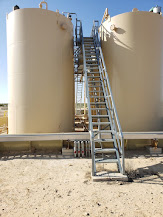
The PLCs that control pumping on
these Occidental Petroleum storage
towers require secure, reliable power
.
The Bedrock OSA Power units have replaced an internally developed electrical power system that had powered well pad PLCs. Normal temperature cycling and exposure to caliche dust were contributing to disruptive power trips and conflicting alerts from the legacy lead acid power supplies.

Rather than replace the failing units with more of the same, the Occidental engineering team wanted a system that would take them into the future. After evaluating several options, they concluded that the combination of Bedrock Automation’s Secure Power Supply (SPS.500) and Uninterruptible Power Supply (UPS.500) would fulfill their vision of a next generation power solution.

The SPS.500 provides single or redundant supply, using 90-264 Vac main voltage, 50/60 Hz input and is fully certified for use in Class 1, Division 2 locations. Its output of up to 500 watts is software-configurable between 21 to 28 volts. Multiple systems can be daisy-chained to scale up for higher power requirements.

The UPS.500 provides 24 Vdc at 12 Ah of power for hours of consistent backup for a typical PLC or DCS control cabinet. An onboard secure microcontroller controls the Li-Ion battery cell-by-cell, augmenting the high density, rapid charging, extreme temperature tolerance and the extended life that characterizes Li-Ion technology. The Li-Ion technology also recharges 10 times faster than a conventional lead acid battery system. The UPS.500 also has extremely high energy density and a compact footprint.

Both the SPS.500 and UPS.500 are well equipped to handle desert conditions. They are rugged, shock and vibration proof, and designed for use in temperatures between -40° F to +176 °F. They are encased in a sealed aluminum housing and compliant with IP67 and NEMA 4X standards for resistance to water, ice, oil and dust. Both are also MIL-STD 461 certified for EMP resistance without secondary containment.

From a cyber security perspective, the onboard electronics of the SPS.500 and UPS.500 enable Bedrock’s patented ICS cyber security. This initiates transparently and instantly upon startup to manage a deep authentication process and protect the power to Occidental’s hardware, firmware, software and communication throughout its entire lifecycle.

With the secure onboard microcontroller also comes secure 10/100 Mbit Ethernet IPv4 and IPv6 communications and support for Secure Sockets Layer (SSL) Embedded Web Server and embedded IEC 62541 – OPC Unified Architecture Server. Bi-directional communications enable control, diagnostics and status reporting. More than 35 diagnostic variables can be easily monitored, trended, alarmed and historicized via SCADA.

The Occidental Petroleum configuration has been running flawlessly at both locations since 2019 and are now fully equipped with features that should ensure continued trouble free operation over the coming years.

@BedrockAuto Occidental Petroleum  #PAuto #Cybersecurity #Oil

Friday, 17 December 2021

Systems for long-range methane detection system.

System yields faster analysis and repair of oil and gas operations to reduce the accidental leakage of methane.

FPGA cards are to be supplied into a basin-wide methane scanning and monitoring system by Abaco Systems. The system yields faster analysis and repair of oil and gas operations to reduce the accidental leakage of methane, which accounts for about 10% of US greenhouse gas (GHG) emissions. The initial win of $350K has a large prospective upside through ongoing development.

Pete Thompson, vice president of product management for Abaco Systems, said, “Abaco’s commitment to innovation is clearly evidenced in the design and ongoing use of our FMC104 and FMC108 for research into eye-safe, long-path laser systems and now long-distance gas detection systems. We are thrilled to be a part of research paving the way with groundbreaking technologies that change the future of emissions mitigation efforts.”

The continuous monitoring system employs centralized eye-safe laser beams spanning regions measuring multiple square miles to quickly detect, locate, and size methane leaks in a dense infrastructure. What began in a university research lab later expanded into an ongoing commercial product that shifts the industry paradigm away from on-site time-intensive monitoring of oil wells and natural gas production facilities. Instead of waiting weeks for data to be received and interpreted, action can be taken much faster, reducing emissions, and lowering costs. Abaco’s expertise in RF and FPGA design, innovative space-saving heatsink design, and longstanding relationship with the academic institution led to selection of the company’s FMC104 and FMC108 FPGA mezzanine cards for this system.

Both the FMC104 four-channel FPGA mezzanine card and the FMC108 eight-channel FPGA mezzanine card are fully compliant with the VITA 57.1-2008 standard. These cards allow for flexible sampling frequency control, analog input gain, and offset correction through serial communication with a carrier card. Equipped with power supply and temperature monitoring, they offer several power-down modes to switch off unused functions. Used in this application as digitizers, these cards bring proven technologies capable of low-cost continuous monitoring for fast methane leak detection and repair. Their inventive heat dissipation design allowed for a less constrained environment and decreased overall costs by eliminating the need for additional heatsinks.

@AbacoSys @AMETEKInc #PAuto #Oil

Friday, 10 December 2021

Industrial digitalization agreement.

Seeq Corporation* has reached an agreement with Saudi Aramco to further expand its operational analytics strategy as part of the company’s ongoing Digital Transformation program.

The agreement will provide Saudi Aramco engineers and subject matter experts with Seeq’s self-service analytics, predictive modeling data analytics, and visualization tools.

Examples of how Seeq software can be used at Aramco include:
• Automating error detection in multi-phase measurements
• Catalyst deactivation rate prediction
• Coking prediction
• Corrosion rate analysis
• Automated monitoring of Oilfield Advanced Process Control
• Fleet-wide asset monitoring
• Operationalizing predictive analytics models for sustainability insights

“Seeq is empowering our engineers and subject matter experts with easy-to-use analytics tools to truly democratize data science. We see this as a key element for scaling operational analytics across the organization,” said Walid A. Al-Naeem, Manager of Process & Control Systems Department, Saudi Aramco.

“We are pleased to partner with Crucial Solutions & Services (CSS) to collaborate on Aramco’s industrial digitalization initiatives,” added Lisa Graham, CEO of Seeq. “We will do this by leveraging big data, machine learning, and computer science innovations.”

“Seeq will help Saudi Aramco reach new levels of process efficiency, production optimization, and interdisciplinary collaboration,” comments Sulaiman Alzuhair, General Manager and Founder of CSS. “We look forward to working closely with Aramco and Seeq.” 

 * Seeq recently announced closure of a $50 million Series C funding round, led by global venture capital and private equity firm Insight Partners, including participation from existing investors Altira Group, Chevron Technology Ventures, Cisco Investments, and Aramco Ventures. The round brought Seeq’s total funding since inception in 2013 to approximately $115 million.

@SeeqCorporation @Aramco @mepaxIntPR #Pauto #Saudi_Arabia

Wednesday, 20 October 2021

Advancing the skills of the workforce in the Oil & Gas industry.

Endress+Hauser and the Petroleum Extension (PETEX®), a unit of the Cockrell School of Engineering at the University of Texas (Austin TX USA), announce collaboration efforts for training courses starting fall of 2021. PETEX will be hosting courses at Endress+Hauser’s Houston (TX USA) campus and will use the manufacturers’ PTU, the same PTU where Endress+Hauser’s authorized sales and service representative, Vector Controls & Automation Group, hosts Vector University classes for customers in the Gulf region.

“Along with our partner Vector Controls & Automation Group, we are excited to collaborate with such a prestigious organization as PETEX and deliver a combined complementary basket of training classes to customers in the Gulf region,” said Jerry Spindler, Customer Training Manager, Endress+Hauser. “Our common goal of advancing the skills of the workforce in the Oil & Gas industry aligns well with the investments by both organizations in facilities and training equipment such as the PTU. Workers in the industry now have a world-class location where they can continue their technical education.”

The PTUs are full-scale, working process skids with functional instrumentation and controls, closely simulating a real-world environment. Trainees gain hands-on experience with the types of configurations, operation, diagnostics, and troubleshooting found in actual process plants and facilities. This specific PTU features working gas and liquid systems and is equipped with more than 200 modern Endress+Hauser devices, along with a variety of the latest instrument configurations, communication protocols, and software.

Roger T. Bonnecaze (pictured right), Interim Dean of the Cockrell School of Engineering, noted, “For over 75 years PETEX has been providing talent development resources and courses for the global oil & gas sector. In Houston and Odessa, that has traditionally been at the PETEX training centers. With the significant investment that Endress+Hauser and Vector have made in the Houston facility to build one of their renowned PTU’s and create world-class classroom space, it made complete sense for PETEX to collaborate with them to bring those resources to our learners also. The PTU complements the hands-on programs already in place and allows us to collaboratively expand our offerings to continue to meet the ongoing training needs of the oil and gas sector while also embracing new technologies and energy transition topics.”

@Endress_US @Endress_Hauser @UTPETEX #PAuto #Training #USA

Friday, 30 July 2021

Efficient and consistent inventory management.

Honeywell has announced that its cloud-based Honeywell Enraf® Inventory Calculation Module (HEICM) has been integrated into Royal Vopak’s MyService Terminal Management System (TMS). Developed in cooperation with Royal Vopak, MyService is used at Vopak terminals to facilitate the safe, clean and efficient storage and handling of bulk liquid products and gases.

HEICM was developed using agile software development principles. It accurately calculates inventories and product movement quantities for a massive range of liquid products stored at the sites. All the calculations provided meet major international, recognized standards and publications, including those of American Society for Testing and Materials, American Petroleum Institute and Gas Processors Association.

“Integrating Honeywell's measurement modules with our bespoke MyService software is creating a competitive advantage for Vopak's services,” said Leo Brand, CIO Royal Vopak. “Honeywell’s legal metrology expertise and long experience providing compliant, accurate liquid stock accounting made it an ideal strategic partner for our digital transformation program.”

HEICM will enable Royal Vopak terminals to perform consistent and efficient terminal inventory calculations and compliance-related verifications, contributing to operational excellence.

“We’re pleased our work with Royal Vopak on the HEICM development resulted in a comprehensive calculation engine tailored for the terminal market,” said Rudi van der Kraats, Director Strategic Terminal Accounts Honeywell Process Solutions. “Software-driven, intelligent technologies such as HEICM are part of our strategy to provide a full terminal automation solution.”

Honeywell plans to make HEICM available to other terminal operating companies around the world for similar TMS integrations, as well as a stand-alone/cloud version which can be used by independent surveyors.

@HWusers @honeywell #PAuto 

Friday, 16 April 2021

Tank gauging from your phone.

Emerson has launched Rosemount™ TankMaster™ Mobile – the world’s first cross-platform inventory management software application for tank gauging systems – providing immediate secure access to critical tank data. By making real-time data available to a wider range of stakeholders via smartphones, tablets and computers, this easy-to-use mobile solution facilitates better decision-making and improved operational efficiency and safety.

“To improve their operational performance and make vital efficiency gains, organisations are increasingly looking to make real-time tank gauging data available to a growing number of stakeholders,”
said Per Skogberg, solutions manager with Emerson’s Automation Solutions business. “By facilitating secure mobile access to this information, Rosemount TankMaster Mobile provides the opportunity to increase efficiency, drive productivity and improve collaboration throughout the supply chain.”

Within the tank storage, oil and gas, petrochemical and refining, chemical, and food and beverage industries, tank gauging data often remains siloed in legacy systems to which few have access. However, to digitally transform their operations and make performance improvements, organisations need to provide instant data access to a broader range of job functions. This includes personnel in the field, management, those in sales, purchasing and finance, and additional stakeholders such as suppliers, customers, traders, product owners and customs authorities.

The Rosemount TankMaster Inventory Management Software suite is a powerful package that collects real-time tank gauging data such as level, temperature, water interface level and pressure, and calculates volume and mass for inventory and custody transfer purposes. It is offered as an addition to this existing software suite infrastructure, adding mobility, sharing and networking.

This software provides mobile access to live tank data, providing a clear overview of all tanks at a facility, with the ability to quickly drill-down to detailed information resulting in more efficient tank monitoring. Features include the ability to organise tanks in groups, customise which tank parameters are displayed, and quickly set a watchlist monitoring tanks of special importance. User groups can be created with different privileges to view tanks and tank parameters. Functionality to generate and export reports will also be available.

This application meets the requirements for network and system security detailed in the international standard IEC 62443-3-3. Its design is based on a three-tier architecture that constitutes separate security zones, and all the data transported is encrypted using the Transport Layer Security protocol. It also supports two-factor log-in to help ensure that only authorised users can access the system.

@EMR_Automation @Emerson_News @Rosemount_News @HHC_Lewis #PAuto